Sommario
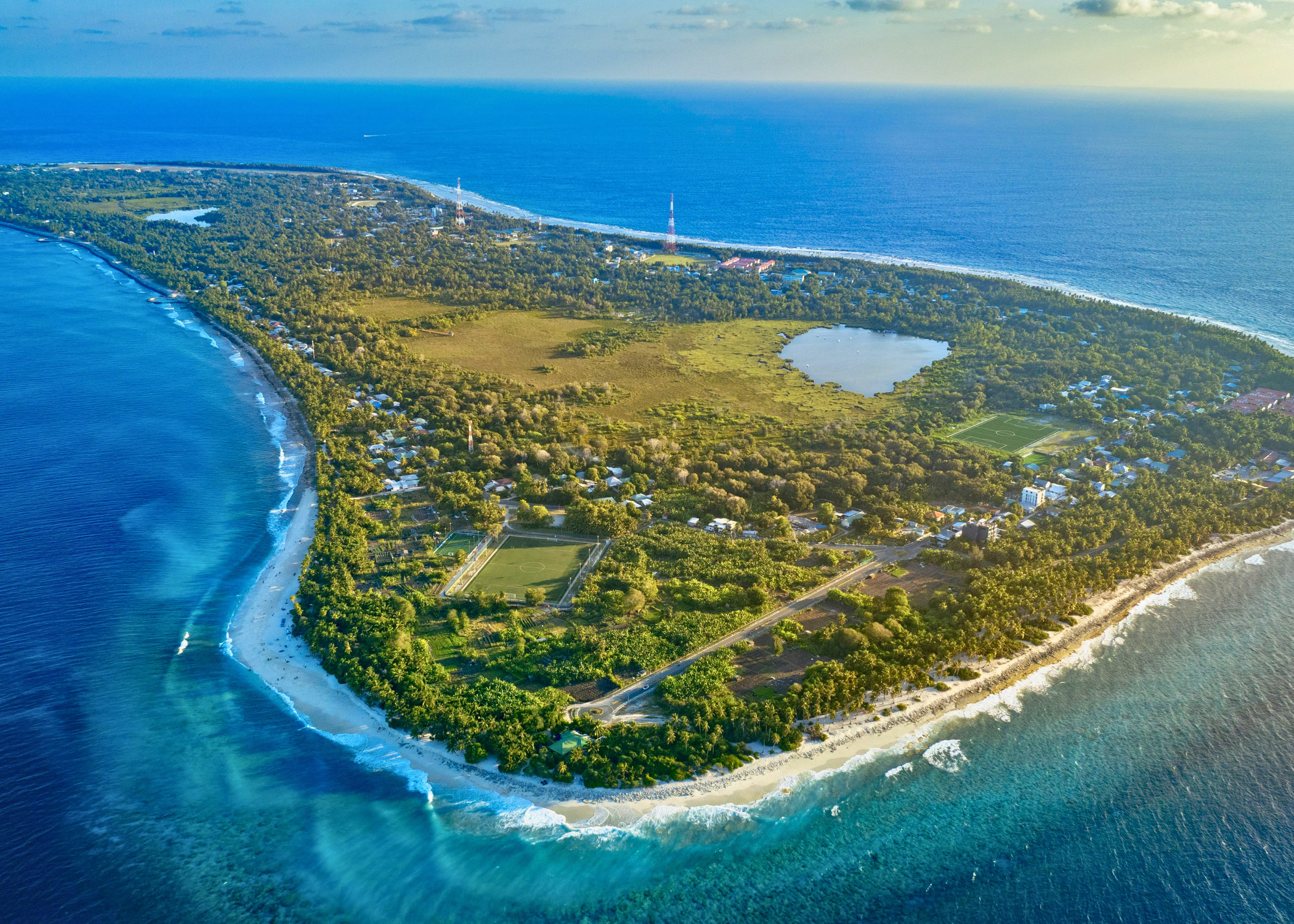
In recent years, islands have become some of the most interesting places to observe the evolution of Europe’s energy transition. At first, this might seem like an unusual choice: these are territories with relatively small populations and contexts that differ significantly from large urban areas. Yet it is precisely their scale and characteristics that make them particularly relevant.
Why Europe is looking at islands
In recent years, islands have become some of the most interesting places to observe the evolution of Europe’s energy transition. At first, this might seem like an unusual choice: these are territories with relatively small populations and contexts that differ significantly from large urban areas. Yet it is precisely their scale and characteristics that make them particularly relevant.
On an island, every resource takes on a different value. Energy must be produced, distributed and managed within systems that are often less interconnected than those on the mainland. Water requires particular attention, especially where natural resources are limited, while mobility depends on connections that cannot always offer the same flexibility as on the continent.
Another factor shared by many island communities is seasonality. During the summer months, the arrival of thousands of visitors can rapidly increase demand for energy, water and services, putting pressure on infrastructure designed for much smaller communities.
For these reasons, islands provide a particularly interesting testing ground. The challenges that become more visible in these contexts – from resource management and energy dependence to the impacts of climate change – are the same challenges that many other European territories will increasingly have to address in the coming years.
One project, three territories, one common goal
This is the context behind ICONIC, a Horizon Europe-funded project bringing together partners from different countries to develop strategies that can make rural and island communities more resilient, sustainable and less dependent on external resources.
The goal, however, is not to make these territories completely self-sufficient. Rather, it is to help them make better use of the resources available locally, integrating renewable energy generation, energy storage, energy communities, water management, sustainable mobility and digital tools into a single long-term vision.
To test this approach, the project is working across three very different case studies.
On Inis Mór, in Ireland, the focus is on a community strongly shaped by its geographical isolation and the particular climatic conditions of the Atlantic. On La Graciosa, in the Canary Islands, the main challenge is the integrated management of energy and water, combining renewable energy sources, desalination systems and digital technologies to reduce dependence on external supplies.
The Italian case study is Berchidda, in northern Sardinia, a community that has been developing initiatives focused on sustainability and energy innovation for several years.
From strategy to action: the Berchidda case
In Berchidda, ICONIC is not simply introducing new technologies. It is working to develop a strategy that brings together existing local resources and identifies a realistic pathway towards greater energy independence.
This is where R2M Solution’s contribution comes into play.
Within the project, R2M Solution supports the Municipality of Berchidda in developing decarbonisation scenarios tailored to the characteristics of the territory. This means analysing different possible pathways for the evolution of the local energy system, assessing their environmental, technical and economic impacts, and defining concrete strategies to progressively reduce emissions while keeping the feasibility of each intervention firmly in view.
Alongside this work, R2M Solution supports the local administration in defining an action plan that translates climate objectives into measures that can actually be implemented. This requires engaging local stakeholders, assessing priorities and developing an integrated vision capable of bringing together energy, environmental and governance considerations.
Planning the transition, not just implementing it
This contribution goes beyond the technical dimension. An effective energy transition does not depend solely on the availability of innovative technologies. It also requires the ability to build shared strategies, identify the most effective investments and support local administrations in the decisions they will need to make over the coming years.